A Complete Guide on ELSS Funds
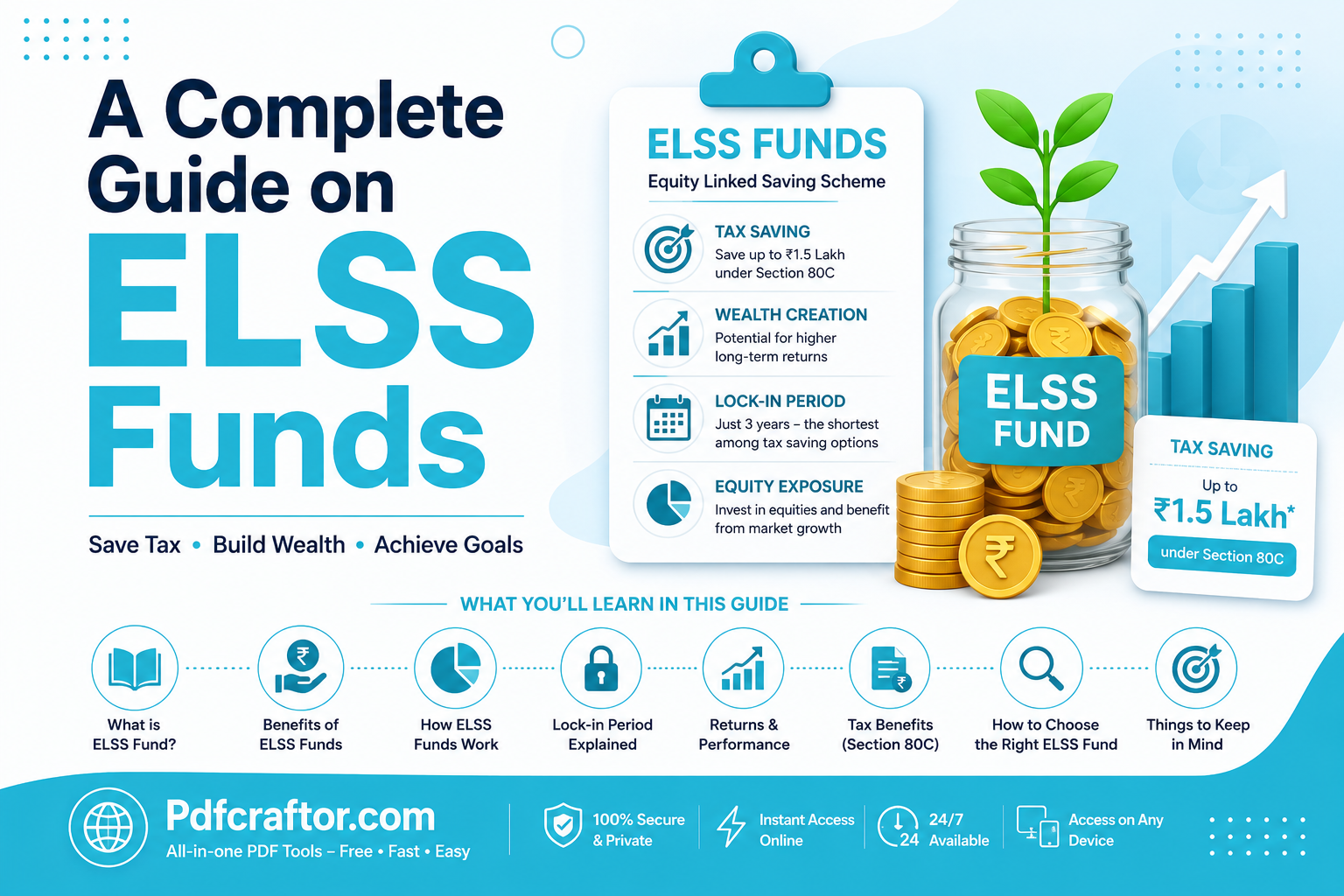
ELSS (Equity Linked Savings Scheme) is a tax-saving equity mutual fund that qualifies for a Section 80C deduction of up to ₹1.5 lakh a year and has the shortest lock-in of all 80C options — just 3 years. You can start with ₹500 as a lump sum or SIP. Use an ELSS calculator to estimate your maturity value before investing.
- Tax benefit: up to ₹1.5 lakh under Section 80C (old tax regime only)
- Lock-in: 3 years — shortest among tax-saving instruments
- Minimum: start from ₹500 via SIP or lump sum
- Returns: market-linked equity growth, not guaranteed
If you want to save tax and grow your money in the same product, ELSS is usually the first name advisers mention. It is the only Section 80C option that invests in equity, and it locks your money for just three years — far less than a PPF or a tax-saving FD. But ELSS also comes with one big catch that most guides skip, and getting it wrong means your tax benefit disappears.
This complete guide on ELSS funds covers what they are, how the tax benefit really works in 2026, the returns and risks, how to invest, and who they suit — plus how to use an ELSS calculator to plan before you commit a rupee.
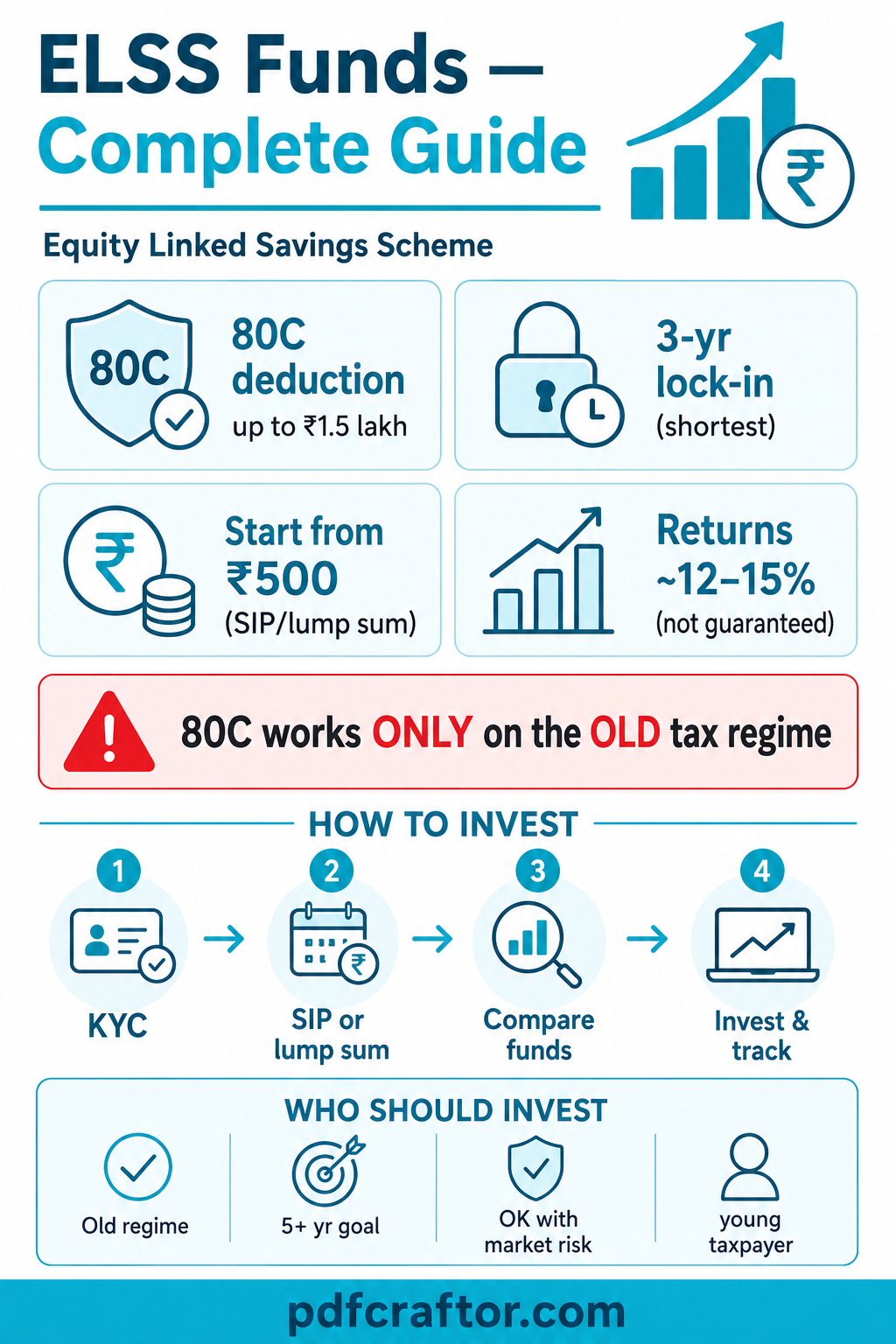
Infographic by pdfcraftor.com
What Are ELSS Funds?
ELSS stands for Equity Linked Savings Scheme. It is a type of mutual fund that invests mainly in stocks and equity-linked instruments, and it qualifies for a tax deduction under Section 80C of the Income Tax Act.
That gives ELSS a dual purpose: it can reduce your taxable income today, and because it is an equity fund, it can grow your wealth over the long term. No other 80C option combines a tax break with full equity exposure and a lock-in this short.
The Catch: 80C Only Works on the Old Tax Regime
Here is the part many guides bury. The Section 80C deduction is available only if you file under the old tax regime. The new tax regime — now the default for most taxpayers — does not allow 80C deductions at all.
So before you invest in ELSS to save tax, confirm you are on the old regime. If you are on the new regime, ELSS can still be a fine equity investment, but you will not get the tax deduction — and in that case a regular equity fund without a lock-in may suit you better. An income tax calculator helps you compare both regimes and decide which one leaves you better off.
Key Features of ELSS Funds
| Feature | Detail |
|---|---|
| Tax deduction | Up to ₹1.5 lakh under Section 80C (old regime) |
| Lock-in period | 3 years — shortest of all 80C options |
| Minimum investment | As low as ₹500 |
| Investment mode | Lump sum or SIP |
| Risk | Equity — market-linked, can rise and fall |
| Exit load | None after lock-in |
How Much Can You Earn? Returns and Risk
Because ELSS invests in equity, returns are not fixed. Historically, ELSS funds have delivered around 12–15% annualised over long periods, which is higher than fixed options like PPF or FD — but past returns are not a promise, and the value can fall in the short term.
This is why ELSS suits a horizon of five years or more, not just the three-year lock-in. The longer you stay invested, the more time compounding has to smooth out market ups and downs. To see what regular investing could build, run your numbers through an ELSS funds calculator — it projects your maturity value from the amount, tenure, and an expected return.
How to Invest in ELSS Funds
Getting started is quick and almost entirely online.
Step 1: Complete your KYC
If you have not invested in mutual funds before, finish your KYC with your PAN and Aadhaar. This is usually done online in a few minutes.
Step 2: Choose lump sum or SIP
Decide how to invest. A lump sum puts the full amount in at once; a SIP spreads it across months and averages out your buying price. A SIP calculator shows how monthly investing adds up over time.
Step 3: Compare and select a fund
Look at the fund’s long-term track record, expense ratio, and consistency rather than just last year’s return. Pick a fund that matches your risk comfort.
Step 4: Invest and track
Place your investment through the fund house or a platform, and review it once or twice a year — not every week.
SIP vs Lump Sum: Which Is Better?
Both work for ELSS, and the right choice depends on your cash flow and the calendar.
| Factor | SIP | Lump Sum |
|---|---|---|
| Best for | Salaried, steady savers | One-time surplus or bonus |
| Market timing | Averages out the price | Depends on entry point |
| Lock-in | Each instalment locks separately | Whole amount unlocks together |
| Discipline | Automatic monthly habit | Needs lump funds ready |
One thing to remember with a SIP: each monthly instalment carries its own 3-year lock-in. We cover exactly how that affects withdrawals in our guide on how to redeem ELSS funds.
Taxation of ELSS at Redemption
The 80C benefit is only one side of the tax picture. When you eventually redeem, your profit is a Long-Term Capital Gain. For FY 2025-26, LTCG up to ₹1.25 lakh in a year is tax-free, and gains above that are taxed at 12.5% with no indexation. Since ELSS is always held at least three years, every redemption falls under these long-term rules.
Who Should Invest in ELSS?
ELSS is a strong fit if you tick most of these boxes:
- You file under the old tax regime and want an 80C deduction
- Your goal is at least five years away
- You are comfortable with market-linked, not fixed, returns
- You are a young taxpayer who can ride equity for the long term
- You like the discipline of a monthly SIP with a tax benefit
If you need the money within three years, want guaranteed returns, or are on the new tax regime purely for the deduction, other options may suit you better. A PPF calculator or a general mutual fund calculator can help you compare alternatives side by side.
Common Mistakes to Avoid
A few errors trip up new ELSS investors. Do not invest for the 80C benefit while on the new tax regime — you will not get the deduction. Do not treat ELSS like a 3-year FD; it is equity and needs a longer view. Avoid chasing last year’s top performer instead of a consistent fund. And do not rush a large lump sum in March just to hit the 80C limit — a year-round SIP is calmer and averages your cost.
FAQ
What is the lock-in period for ELSS funds?
ELSS has a 3-year lock-in, the shortest of all Section 80C tax-saving options. You cannot withdraw before three years for any reason.
How much tax can I save with ELSS?
Under the old tax regime, you can claim a deduction of up to ₹1.5 lakh a year under Section 80C. The new tax regime does not allow this deduction.
Can I invest in ELSS with a small amount?
Yes. You can start with as little as ₹500 through a SIP or a lump sum, which makes ELSS accessible to almost any budget.
Are ELSS returns guaranteed?
No. ELSS invests in equity, so returns are market-linked and can move up or down. Historically they have averaged around 12–15% over the long term, but this is not guaranteed.
How do I estimate my ELSS maturity value?
Use an ELSS calculator. Enter your investment amount, tenure, and an expected return, and it shows your projected maturity value and total gain.
Conclusion
ELSS funds give you a rare combination — an 80C tax break, full equity growth, and a lock-in of just three years. The key is to use them with eyes open: confirm you are on the old tax regime so the deduction actually applies, treat ELSS as a five-year-plus investment rather than a quick lock-in, and plan your taxes at redemption. Run the numbers through an ELSS calculator first, choose between SIP and lump sum to fit your cash flow, and ELSS can quietly do two jobs at once for your money.
Share this article
Sharad Mishra
Content Writer
Published on June 13, 2026
Related Articles
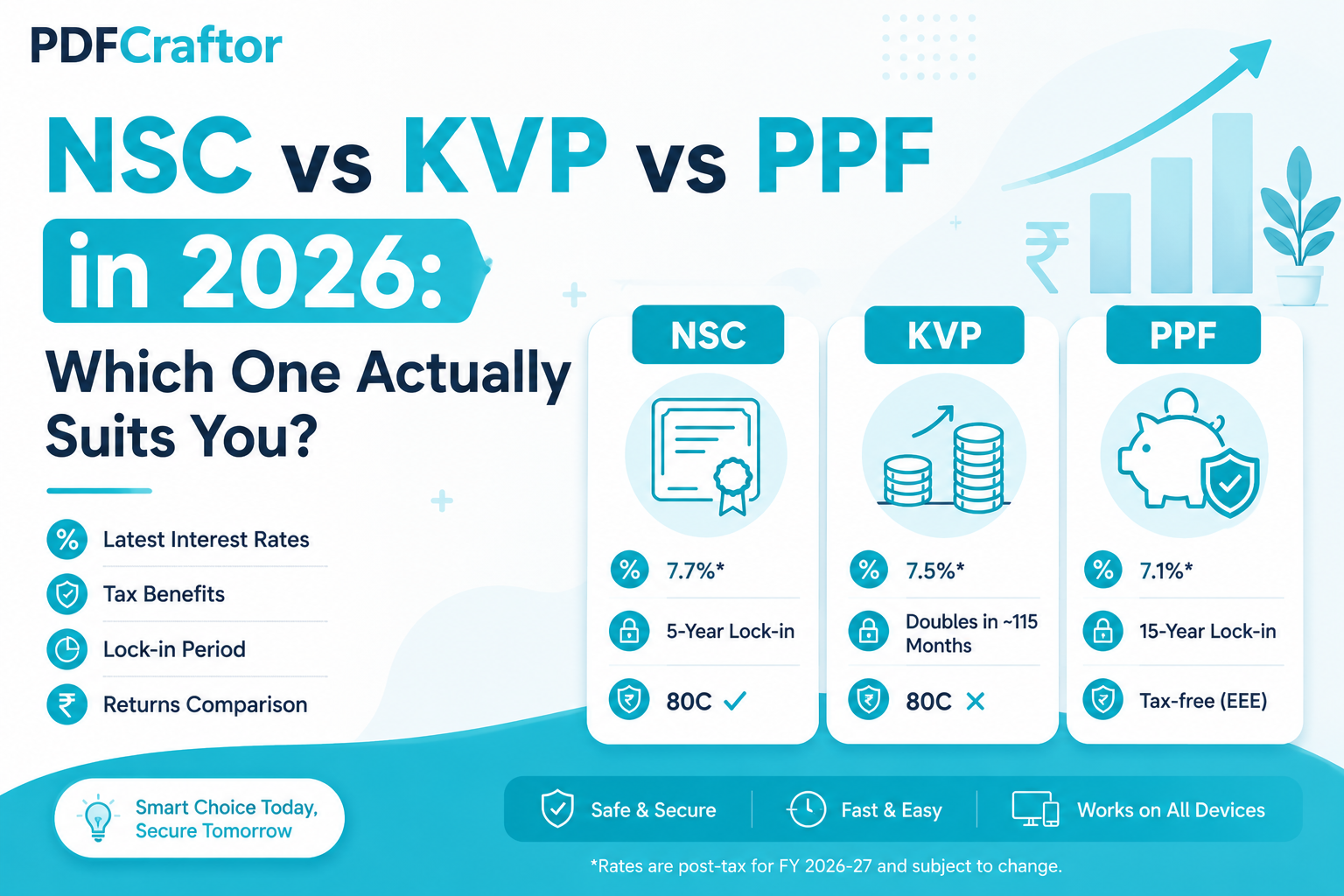
NSC vs KVP vs PPF in 2026: Which One Actually Suits You?
NSC vs KVP vs PPF compared for 2026, interest rates, lock-in & 80C tax benefits explained simply, so you can pick the right post office scheme for your goal.
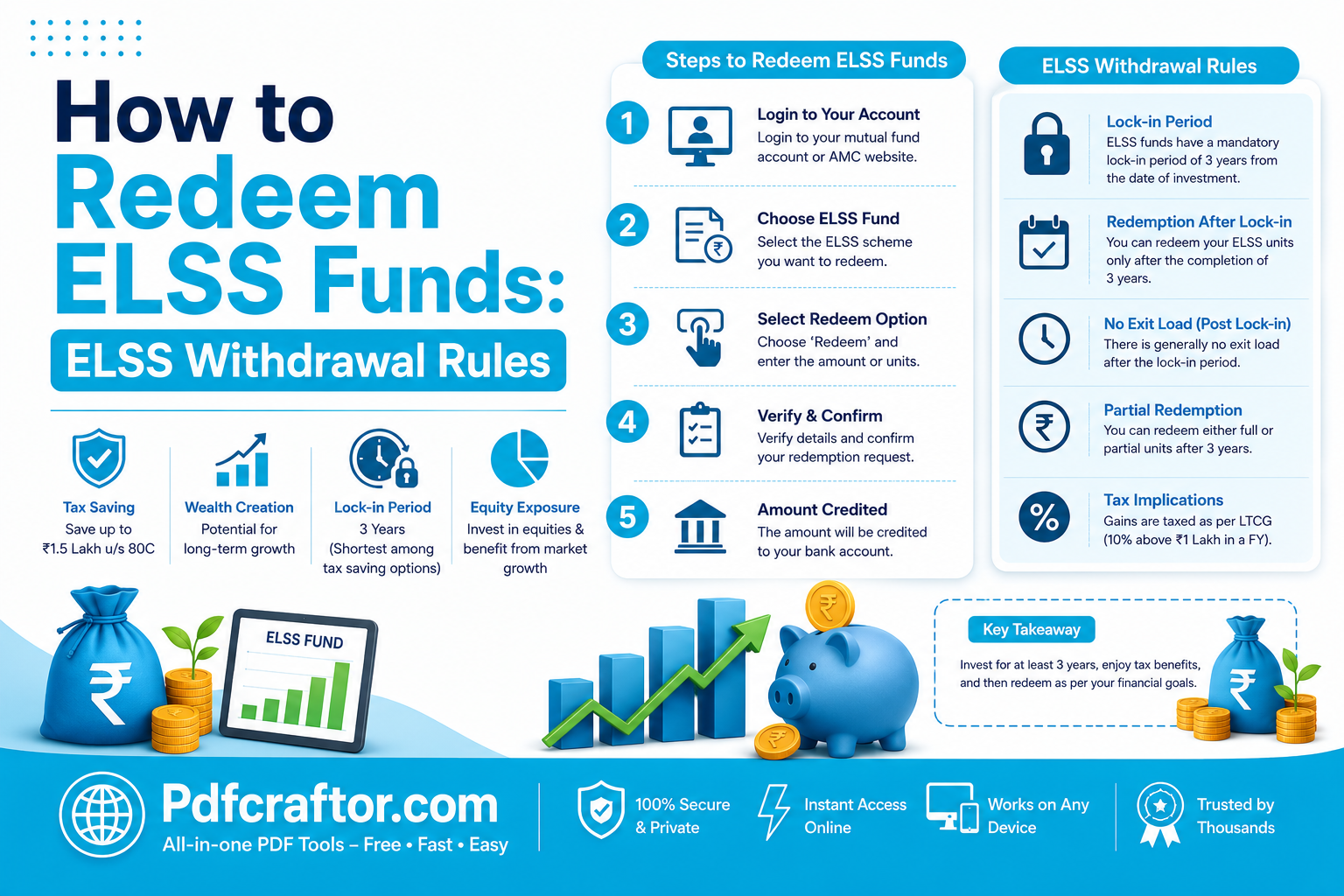
How to Redeem ELSS Funds: ELSS Withdrawal Rules
To redeem ELSS funds, first complete the mandatory 3-year lock-in — ELSS cannot be withdrawn early for any reason. After that, log in to your fun...
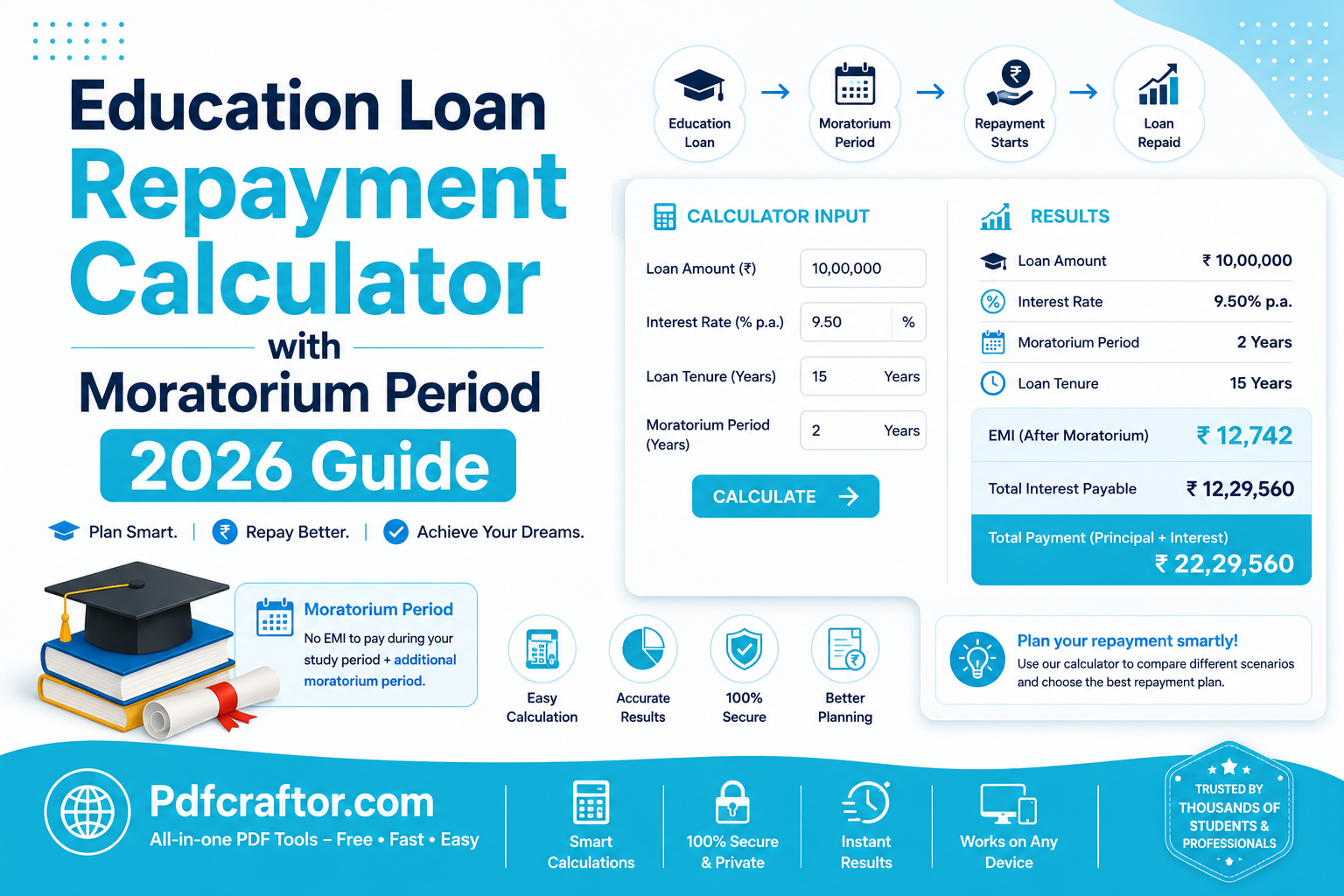
Education Loan Repayment Calculator with Moratorium Period 2026 Guide
⚡ Quick Answer An education loan repayment calculator estimates your EMI, total interest, and the cost of the moratorium period (course duration plus 6 to 12 mo...