NSC vs KVP vs PPF in 2026: Which One Actually Suits You?
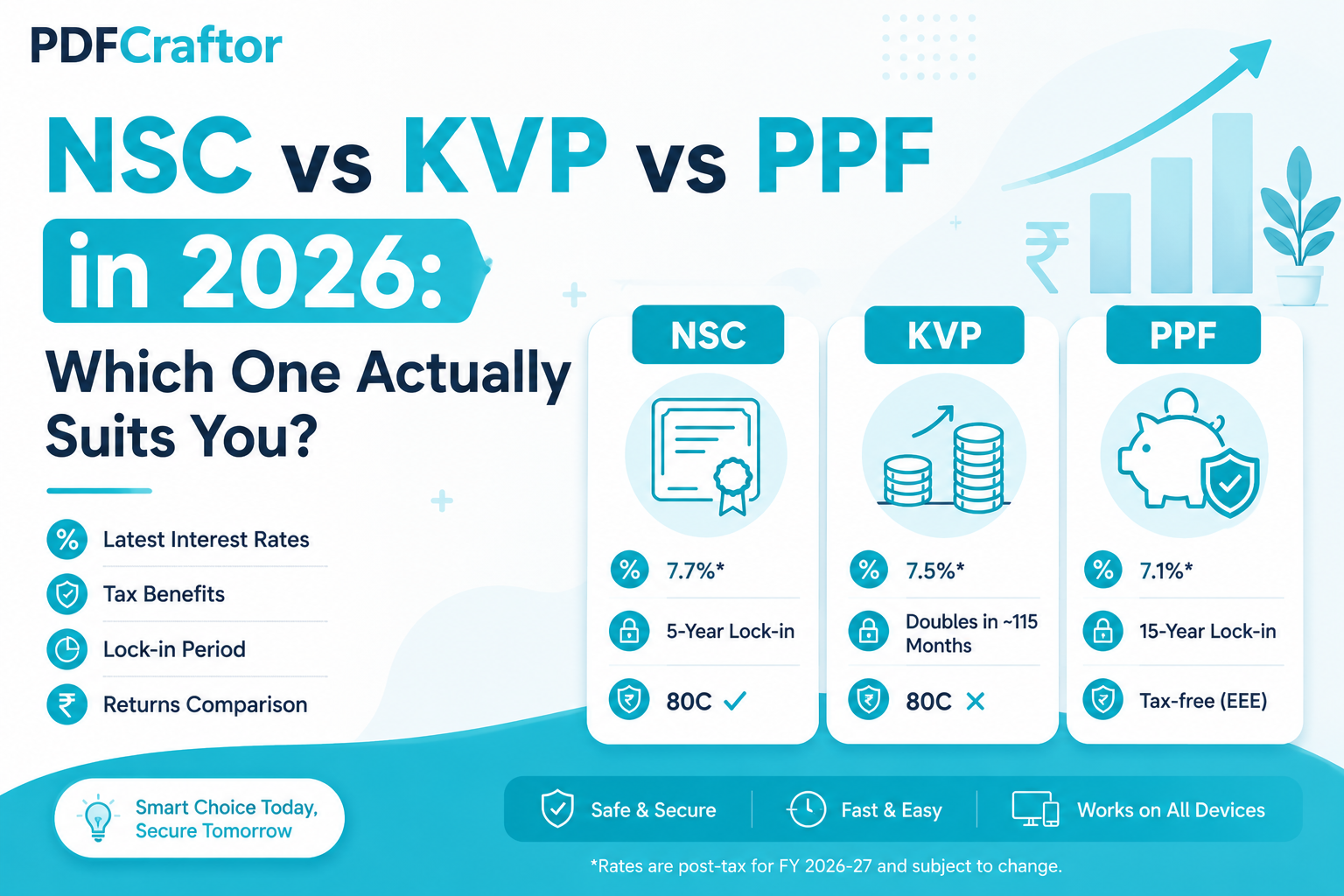
For pure tax saving, NSC usually wins. It gives a Section 80C deduction with a short 5-year lock-in. For long-term, fully tax-free growth, PPF is hard to beat. KVP doubles your money over a fixed period but offers no tax deduction at all. Run your amount through an NSC calculator before you decide.
- NSC: ~7.7%, 5-year lock-in, 80C deduction, best for short-term tax saving
- PPF: ~7.1%, 15-year lock-in, fully tax-free (EEE), best long-term builder
- KVP: ~7.5%, doubles in ~115 months, no 80C, only if you don't need the tax break
Three government-backed schemes, three very different jobs. People lump NSC, KVP, and PPF together because they all sit at the post office and all feel "safe", but choosing the wrong one can quietly cost you tax benefits or lock your money away far longer than you expected.
So let's settle it. Here's how NSC, KVP, and PPF actually compare in 2026, and a simple way to decide which fits your goal, whether that's saving tax this year or building a long-term corpus.
NSC vs KVP vs PPF at a glance
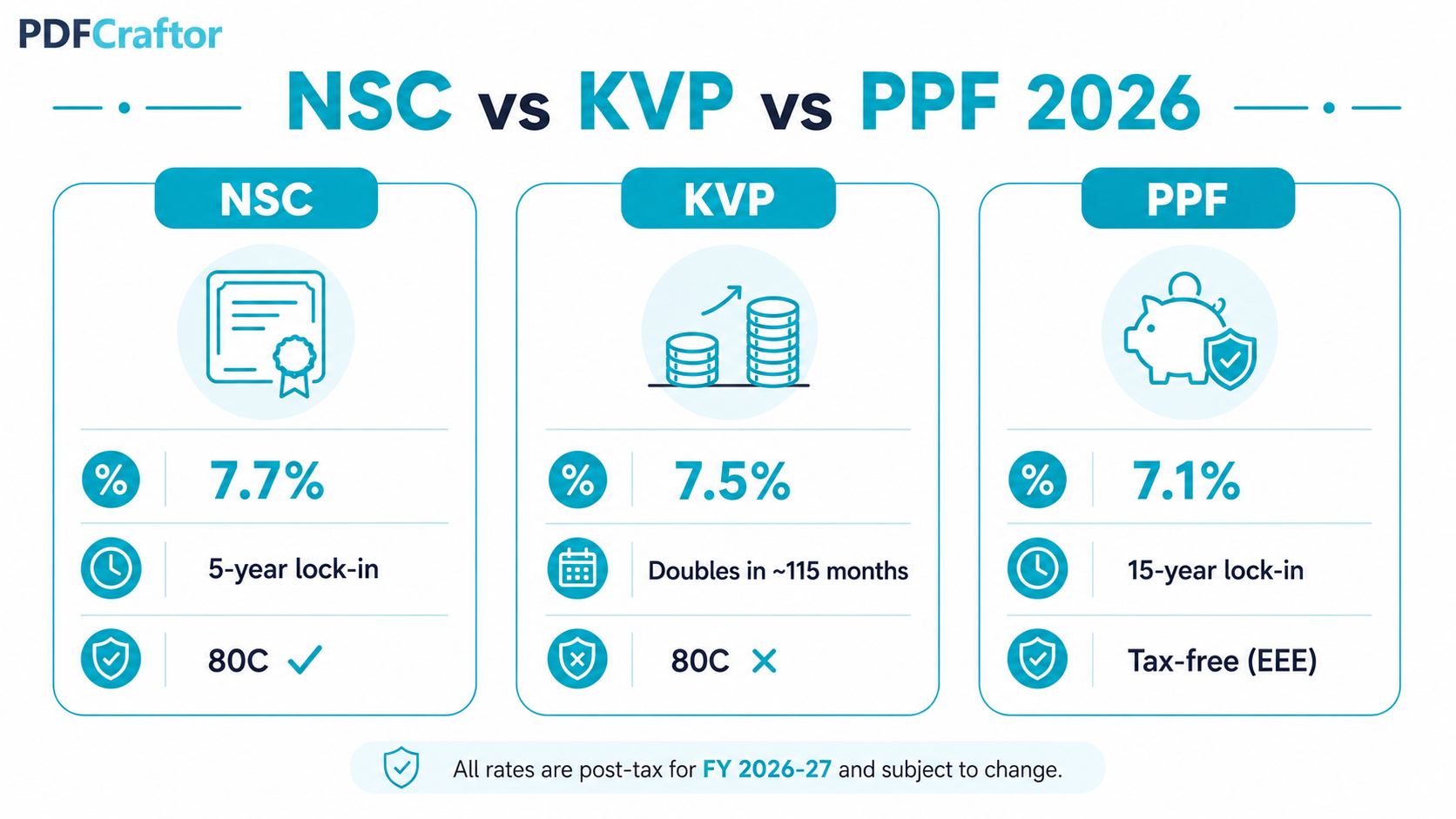
Infographic by pdfcraftor.com
Here's the comparison most guides bury at the bottom. Rates are for the current 2026 quarter and reset every three months.
| Feature | NSC | KVP | PPF |
|---|---|---|---|
| Interest rate (2026) | ~7.7% | ~7.5% | ~7.1% |
| Lock-in period | 5 years | ~115 months (money doubles) | 15 years |
| 80C tax deduction | Yes (up to ₹1.5 lakh) | No | Yes (up to ₹1.5 lakh) |
| Is interest taxable? | Yes (reinvested interest also gets 80C) | Yes | No, fully tax-free (EEE) |
| Best for | Short-term tax saving | Guaranteed doubling, no tax need | Long-term, tax-free corpus |
Want exact numbers for your amount? Run them through our free NSC calculator, KVP calculator, or PPF calculator before you commit a rupee.
NSC — the tax-saver's pick
National Savings Certificate is the scheme most salaried people reach for in January and February, when the "prove your 80C investments" email lands.
Why it works: you invest a lump sum, it earns a fixed rate with annual compounding, and the amount you put in qualifies for a Section 80C deduction of up to ₹1.5 lakh. There's a neat quirk too, the interest earned each year (except the last) is treated as reinvested, so it also counts toward 80C. The lock-in is only 5 years, which is short for a government scheme.
The catch? The interest is taxable in your hands. For someone in a high tax bracket, that trims the effective return. Still, for pure short-term tax saving with capital safety, NSC is tough to beat. That's why it stays the go-to 80C pick for salaried taxpayers every spring, when the investment-proof deadline looms.
KVP — the "double my money" plan
Kisan Vikas Patra has one headline feature: it doubles your investment over a fixed period, roughly 115 months at current rates. That's a simple, satisfying promise, and the money is fully government-backed.
But here's what trips people up: KVP gives you no tax deduction. Nothing under 80C. So if you're buying it hoping to cut your tax bill, you've picked the wrong scheme. KVP suits someone who simply wants a safe, hands-off way to grow idle money and doesn't need the tax break, say, funds you've already accounted for tax-wise. Curious exactly when your money doubles? The KVP calculator shows the maturity date for any amount in seconds.
PPF the long-game builder
Public Provident Fund plays a different game entirely: patience. The lock-in is 15 years, which sounds brutal until you see the payoff.
PPF is one of the rare EEE (exempt-exempt-exempt) instruments in India, your contribution is deductible under 80C, the interest is tax-free, and the maturity amount is tax-free too. Nothing gets taxed at any stage. Over 15 years, that compounding-without-tax effect builds a serious, worry-free corpus. You can also make partial withdrawals in later years, so it's not as rigid as it first appears. If your goal is retirement money or a child's future rather than this year's tax return, PPF quietly outperforms the other two. Pair it with a SIP calculator to see how debt-style PPF and equity SIPs balance each other.
How to Choose in 60 Seconds
Forget the jargon. Answer one question, what's the money for?
- "I need to save tax this financial year." → NSC (or PPF if you can lock in longer).
- "I want a tax-free retirement corpus." → PPF, no contest.
- "I just want to safely double idle cash and don't need a tax break." → KVP.
- "I want both tax saving and tax-free growth." → PPF, and top up 80C with NSC if there's room.
Don't pick by interest rate alone. A slightly higher rate means little if the scheme taxes your interest or locks up money you'll need sooner. Match the lock-in and tax treatment to your actual goal first. It's also worth checking how each option changes your overall tax under the old vs new tax regime, the 80C benefit only helps if you're on the old regime.
FAQ
Which is better, NSC or PPF?
For short-term tax saving with a 5-year lock-in, NSC is better. For long-term, fully tax-free growth over 15 years, PPF is better because its interest and maturity are both exempt from tax.
Does KVP give tax benefits under 80C?
No. Kisan Vikas Patra does not offer any Section 80C deduction, and its interest is taxable. Choose KVP only if you don't need a tax break.
Which scheme has the highest interest rate in 2026?
Among the three, NSC currently carries the highest rate (around 7.7%), followed by KVP (~7.5%) and PPF (~7.1%). Always confirm the latest quarterly rate before investing, as they change every three months.
Can I invest in all three schemes at once?
Yes. There's no rule stopping you from holding NSC, KVP, and PPF together. Many investors combine PPF for the long term with NSC for annual tax saving.
Are these schemes safe?
Yes. NSC, KVP, and PPF are all backed by the Government of India, which makes them among the safest fixed-return options available.
How do I calculate my exact returns?
Use a free online calculator for each scheme, enter your amount and tenure to see maturity value instantly, rather than estimating by hand.
Conclusion
Here's the whole thing in one breath: NSC for short-term tax saving, PPF for long-term tax-free growth, KVP only if you don't need a tax break. Don't let a slightly higher headline rate pull you toward the wrong scheme, a 7.7% return that gets taxed can end up behind a 7.1% return that doesn't. Start with your goal and the timeline you can genuinely commit to, then let the tax treatment settle any tie. Run your numbers through the NSC calculator, KVP calculator, or PPF calculator before you lock anything in; a two-minute check now beats a fifteen-year regret. And whichever you pick, all three are backed by the Government of India, so your capital is about as safe as it gets.
Share this article
Sharad Mishra
Content Writer
Published on July 11, 2026
Related Articles

How Does an Education Loan EMI Calculator Help in Financial Planning?
How an education loan EMI calculator helps in financial planning: test tenure and rate scenarios, keep EMI within your salary, and time Section 80E tax savings.
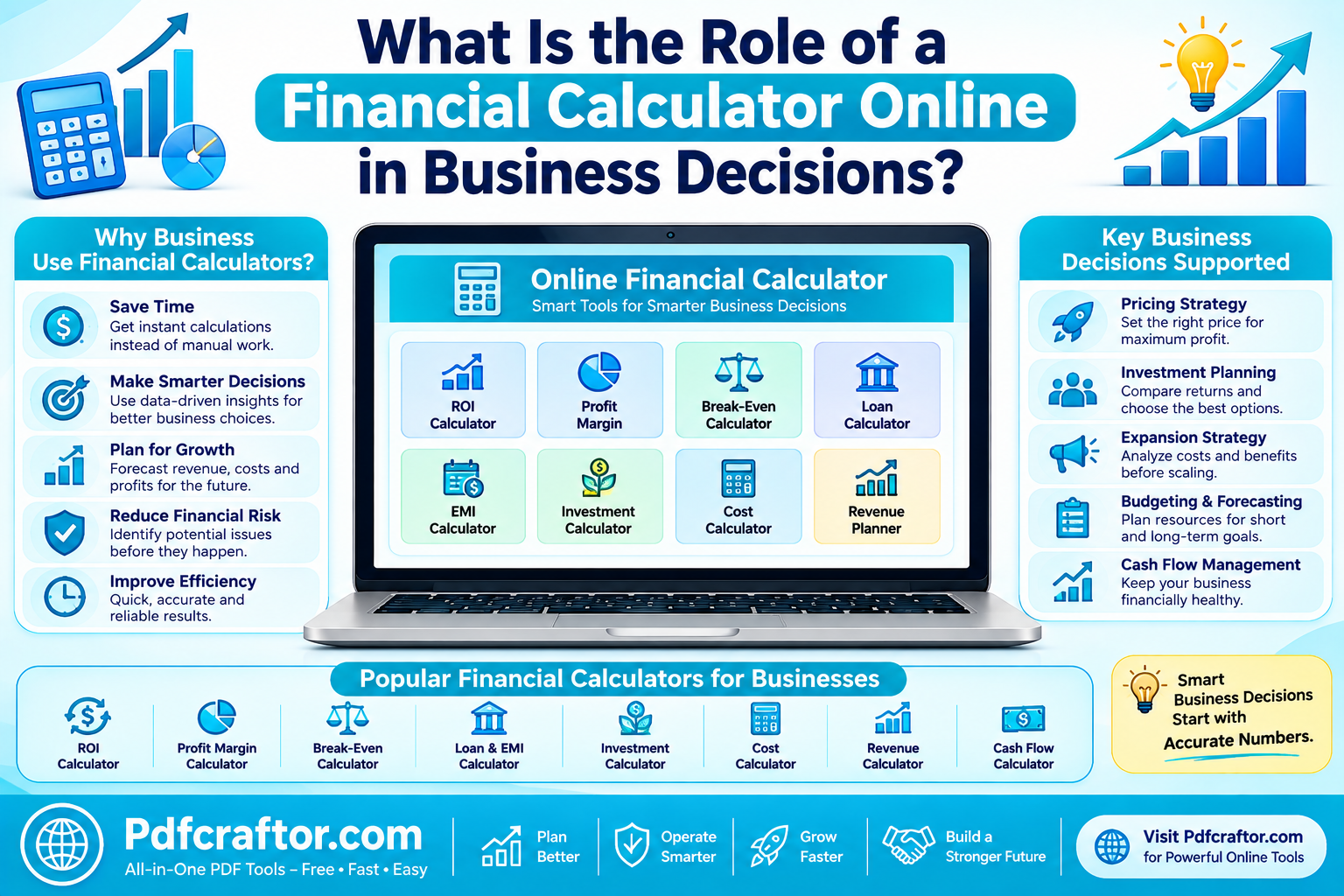
What Is the Role of a Financial Calculator Online in Business Decisions?
How a financial calculator online sharpens business decisions: price with margin math, test loan EMIs, get GST right, and park surplus cash at NSC's 7.7%.
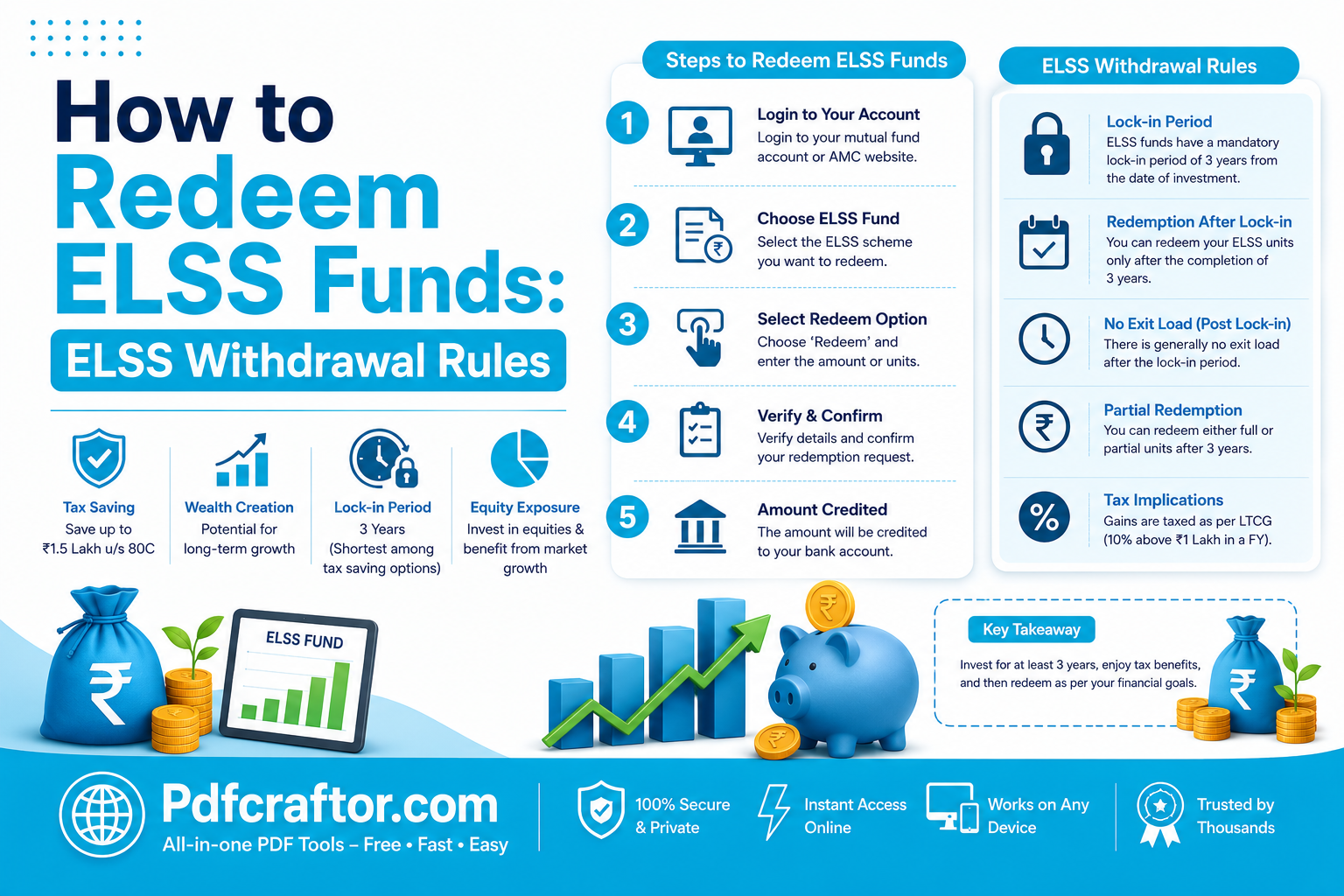
How to Redeem ELSS Funds: ELSS Withdrawal Rules
To redeem ELSS funds, first complete the mandatory 3-year lock-in — ELSS cannot be withdrawn early for any reason. After that, log in to your fun...